How animal shelters can get involved in lobbying
By advocating for (or against) laws, you can expand your organization’s impact and even ease some of your challenges
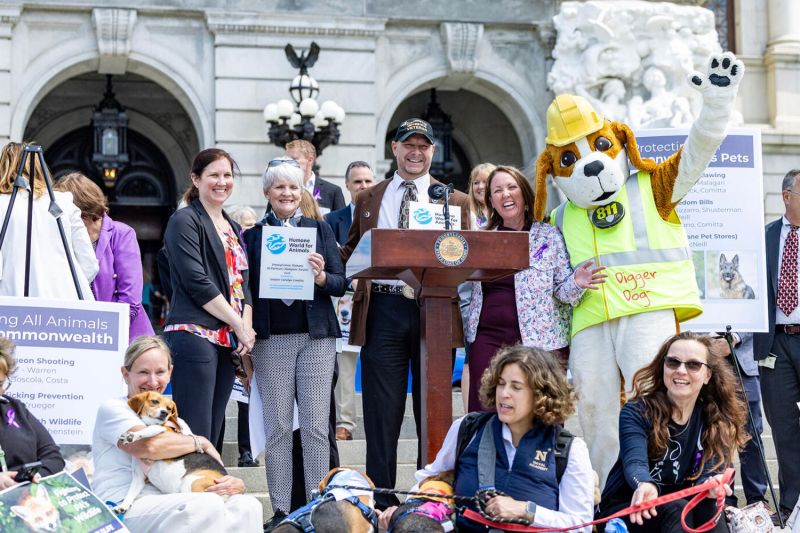
Many shelters and rescue groups falsely believe they’re not allowed to get involved in trying to pass or defeat legislation.
What causes the confusion? Much of it is likely due to a misunderstanding of two key terms:
- Electioneering is when you directly or indirectly try to influence the outcome of an election for public office by supporting or opposing a candidate. Typical electioneering activities include publicly endorsing a candidate, running campaign ads, hosting political rallies or fundraising for an election campaign. Charitable 501(c)(3) organizations and municipal agencies may not engage in electioneering, which is a distinctly separate activity from legislative lobbying.
- Lobbying is when you try to influence the outcome of specific legislation or regulations. For example, you might ask your volunteers and other supporters to vote “yes” on a measure that would add a tax on pet food sales to fund low-cost spay/neuter programs. Or representatives of your organization might meet with local legislators to explain why they should oppose a bill that would require pet owners to provide proof of income to qualify for subsidized veterinary services, which would create a heavy administrative burden for nonprofit clinics and be counterproductive to increasing access to care.
Shelters and rescues—including 501(c)(3)s—are legally allowed to lobby for or against legislation. The restriction is mainly on too much lobbying, not lobbying itself.
Why is lobbying important for shelters and rescues?
Lobbying is not only about advancing new animal protection laws (or strengthening existing ones)—it’s also about opposing or seeking changes to bills that could negatively affect shelter operations, liability, intake policies, staffing capacity or public safety responsibilities.
By engaging in the legislative process, your organization can have tremendous influence on public policies that directly affect your work and the people and animals in your community.
Before you get started in lobbying, it’s important to understand some basic rules. Here’s some general information to help you get started.*
Basic rules for lobbying by 501(c)(3) nonprofits
- What counts as lobbying? In general, issue advocacy includes broad education or discussion about a topic (for example, explaining the need for low-cost spay/neuter resources to a local elected official or posting about it on social media). Legislative lobbying occurs when you take a position on a specific bill or ask lawmakers or the public to contact their legislative representative in support or opposition to it. Under federal tax law, only legislative lobbying activities need to be tracked for compliance purposes (check your state and local area laws for any additional reporting rules).
- Two ways to measure your lobbying limits. Federal tax law allows 501(c)(3) nonprofits to engage in lobbying activities within certain limits:
- The Substantial Part Test (default): Lobbying can’t constitute a “substantial part” of your overall activities, but the IRS has never defined “substantial” with a hard number, which creates uncertainty.
- The 501(h) Election (recommended): By filing the free (and short) IRS Form 5768, nonprofits can opt into the “expenditure test,” which sets clear, generous dollar limits starting at 20% of the first $500,000 in annual expenditures. Most shelters will never come close to these limits.
- State-specific lobbying rules: Your secretary of state office can provide information on the rules governing nonprofit lobbying in your state.
- What’s off-limits: Endorsing or opposing candidates for public office (aka “electioneering”).
- What’s allowed: Educating officials, providing testimony, publishing research, and encouraging your community to take action for or against legislation.
Municipal shelters and nonprofits with government contract
If you work for a municipal or county shelter, or for a nonprofit organization that contracts with a local government, start by coordinating with your government partner before engaging in legislative advocacy or lobbying related to shelter operations or policy issues. This can help avoid conflicts with your employer, contract obligations or local government positions while also strengthening your advocacy efforts.
Many cities and counties have a legislative liaison, government affairs staff member or other designated official who tracks policy priorities, communicates with elected officials, and monitors activity at the state capitol or local city/county office. Connecting with that person early can help elevate your issue, keep local officials informed, and ensure someone can provide updates to government officials or represent local concerns when a shelter representative is unable to attend hearings, meetings or other events.
Note: As with 501(c)(3) nonprofits, municipal agencies are barred from electioneering activities.
How to get started in public policy work
Begin by gaining a basic understanding of the legislative process in your state or municipality. Next, identify the state and local officials who represent the area where your shelter or rescue is located. An invitation to tour your facility or to attend an open house can be a good first step to building a relationship.
Monitor legislative proposals that may (intentionally or unintentionally) affect your work or your mission. Many state legislature websites allow users to track bills, topics or keywords and receive email updates when the status of legislation changes. (Many state and regional humane coalitions and national animal welfare organizations, including Humane World for Animals, monitor state legislation and provide email alerts on key bills.)
Websites for local legislative bodies are typically less sophisticated. The best way to stay informed on local policy proposals is to pay attention to upcoming meeting agendas published on your municipality’s website.
*This is general information and should not be taken as legal advice. We recommend researching any lobbying requirements in your jurisdiction to ensure you’re in compliance. If you have questions, seek legal counsel to better understand your specific situation.
Resources
- “Can animal shelters lobby? Yes, and here’s how”
- HASS Government Communications: Getting Started
- Humane Policy Toolkit
- IRS rules on nonprofit lobbying
- National Council of Nonprofits
- Taking Action for Animals (national conference for animal advocates to sharpen their lobbying and grassroots organizing skills)