Fact sheet: Choosing a wildlife control company
Need help evicting a wild animal from your home or other structure? Follow these tips to find a professional who uses humane, effective wildlife removal practices.
Published August 18, 2026
Ask for an inspection and written estimate
It will be difficult for any company to assess and price the job over the phone, but they should be able to give you a rundown of their services and fees. Any fee for the on-site inspection should apply toward the work that is contracted. During the on-site visit, ask that the company identify:
- The animal(s) using the structure
- All of the entry points and potential entry points
- Whether offspring are present
- How the answers to these were determined
The company should provide pictures to explain how the animal is using the structure and what needs to be repaired to ensure the structure is wildlife-proof.
Get specifics
Request specific details about how the intrusion or problem will be resolved and how the animals will be treated. Will any animals be killed and, if so, why? Are there offspring who will be orphaned or abandoned? Will the method used resolve the problem for the long term?
Insist on humane techniques
If animals are inside a structure, insist on the use of guaranteed eviction/exclusion strategies? such as one-way doors and/or hands-on removal and reunion of families? that will ultimately lead to their release outside of the structure.
Prevent recurrence of the problem
Make sure that the company provides a full range of animal-proofing/exclusion services that carry at least a one-year guarantee against reentry. The job is not complete until the identified access points have been effectively refitted with exclusion material that will keep wildlife out.
Prevent or orphaning of dependent young
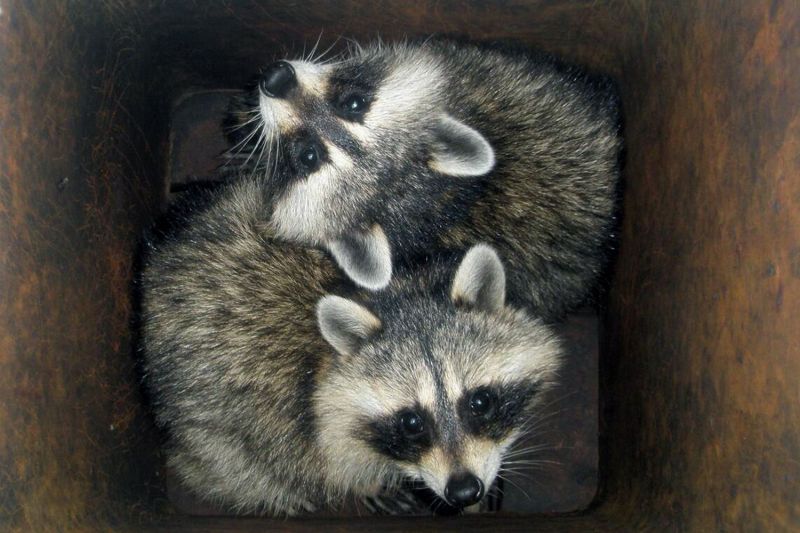
Wildlife conflicts often occur during birthing and rearing seasons (spring through fall), and companies should take care to avoid separating mothers from their young. A thorough inspection will help determine whether babies are present before exclusion or removal work begins. When possible, a short grace period should be allowed so the family can leave on their own once the young are old enough. If action is necessary, humane eviction methods should be used, such as reuniting babies with their mother outside the structure and using one-way doors when the young are mobile enough to leave safely. If reunification is unsuccessful, the company should work with a licensed wildlife rehabilitator to ensure proper care for orphaned young.
Beware of unethical fees and practices
Never sign a contract that contains an open-ended clause allowing a company to charge for removal of any and every animal who can be trapped on the property. This is an unethical practice and will not solve conflicts for the long term.
Standards for humane euthanasia
The company should only euthanize animals if they are mortally injured, sick or endangering public safety.
Note: With rabies-vector species (e.g., raccoon, skunk, fox), the company usually has two options according to state policies: to release on-site or euthanize. The company should make every attempt to release (with the homeowner's permission) and seal off the animals' denning cavity rather than killing healthy animals. Acceptable euthanasia methods are those approved by the American Veterinary Medical Association, which include: carbon dioxide chamber (CO2), proper carbon monoxide (CO) chamber (NOT car exhaust), gunshot where firearm discharge is legal, or lethal injection by a veterinarian. The company must agree to follow the most recent AVMA guidelines on euthanasia (see the most recent Euthanasia Panel Report of the AVMA), excepting any extenuating circumstances that involve human health or safety.
Make sure the company is licensed and insured
Request written assurance that the company?s practices comply with federal, state, and local laws and regulations. Make sure that the company carries commercial liability insurance and any required licenses.
Get referrals from trusted sources
Ask a local wildlife rehabilitator, humane society, or animal care and control agency about recommended wildlife control companies in your area, and ask how they have determined that a company uses humane practices. You can also ask a wildlife control company for references from previous customers.
Document

Advertisement