

Blog: A banner year in the fight against declawing
The movement to protect cats (and their toes) continues to gain traction
December 8, 2025
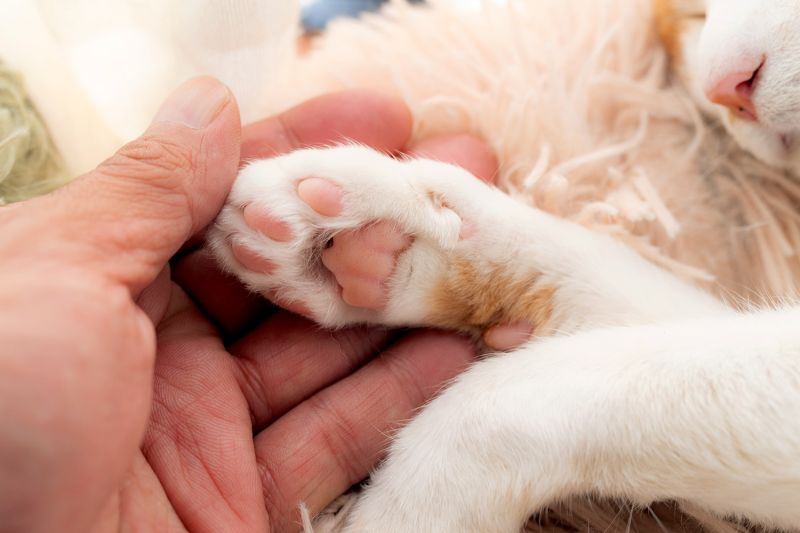
I'm happy to share that states took a big swipe at cat declawing in 2025!
The year started strong, with Massachusetts Gov. Maura Healey signing a declaw ban in January, after the state legislature voted in favor of the bill in the final hours of 2024. Rhode Island kept the ball rolling with a bill—championed by state Sen. Melissa Murray and Rep. William O’Brien—that passed in June.
The most significant legislative victory came in California, where both chambers of the state legislature voted unanimously in favor of a declaw ban. Gov. Gavin Newsom proudly signed the bill into law in October. Assemblymember Alex Lee, who authored the bill, shared that he was “feline proud that California is banning cat declawing! A huge milestone for animal welfare.”
In one year, we went from two states (Maryland and New York) that ban the unnecessary amputation of cat toes to more than double that number! Momentum is clearly on our side, but change can’t happen too soon—a fact highlighted by a recent study by a Canadian veterinary research team.
The study found that declawing is responsible for long-term nerve damage, heightened pain sensitivity, and exacerbated mobility issues, particularly in heavier cats. Declawing also leads to chronic fatigue and hypersensitivity, resulting from early and sustained nervous system overload.
These findings, the authors state, reinforce “the urgent need to prohibit declawing and shift toward compassionate, welfare-focused veterinary care that prioritizes the well-being of feline patients.”
The surprising truth about who opposes declaw bans
As surprising as it may seem to those not enmeshed in the politics of cat declawing, the main opposition to the California bill was from the California Veterinary Medical Association.
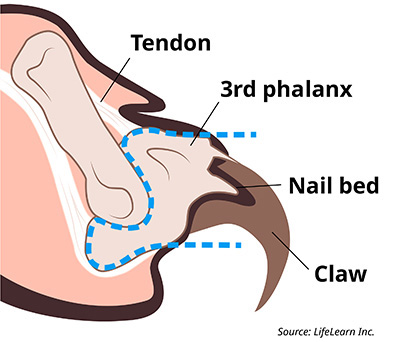
With the exception of the Massachusetts VMA, which took a neutral stance on its state’s declaw legislation, state-based veterinary trade organizations commonly oppose declaw bans. They argue that the legislature shouldn’t interfere with a veterinarian’s authority to make decisions in consultation with the cat’s owner. However, all existing and proposed bans allow for medically necessary declawing (such as in the case of a nail bed tumor).
The logical assumption is that these trade groups want to retain the right to declaw cats in situations where the animals’ health isn’t at issue. Meanwhile, many veterinarians, including those affiliated with The Paw Project and the Humane Veterinary Medical Alliance, have long advocated for bans on nontherapeutic declawing and actively campaign for legislation to end the practice.
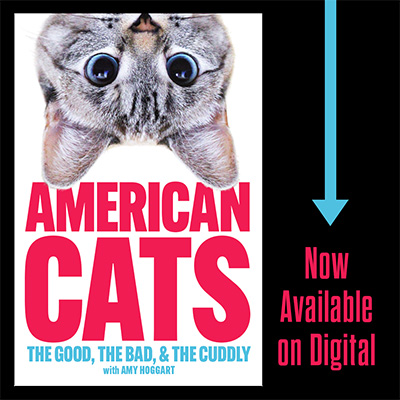
In the 2024 documentary American Cats: The Good, The Bad, and The Cuddly, filmmakers provide a hard-hitting critique of U.S. veterinary trade associations’ stance on declawing. Produced by Clawson and Clawson Cinematics (did you catch the pun?), the film was the brainchild of The Paw Project, a nonprofit founded by veterinarian Jennifer Conrad that launched the effort to ban declawing in the U.S. and continues to be at the forefront of the issue.
As pressure on state VMAs increases, we’ve seen hopeful signs that their policies may be shifting. The Rhode Island VMA withdrew its opposition to the state’s declaw bill after amendments were made to give the state veterinary licensing board enforcement authority over veterinarians who violate the ban. After a declaw bill was introduced in Minnesota in February, the lobbyist for the state VMA voiced concern during a hearing over the logistics of enforcement and penalties, but not opposition to the prohibition of declawing.
Unfortunately, the American Veterinary Medical Association, which sets the tone for most of the state trade groups’ legislative positions, has held fast in its opposition to declaw bans. This year, in a position statement about its recently revised declaw policy, the AVMA noted it “could strongly discourage [declawing] … while continuing to advocate against legislation to ban certain veterinary practices” such as declawing.
The policy itself notes that declawing “is an acutely painful procedure and often results in chronic pain, maladaptive behavior, disability and significant mutilation,” yet it also continues to support “the veterinarian’s right to use professional judgement” regarding declawing. Essentially, the AVMA is saying that declawing is inhumane, but it will still defend veterinarians’ right to do it.
How declawing harms the veterinary profession
While the AVMA clings to this incongruous policy, veterinarians across the country are working with The Paw Project, HumaneVMA and other animal protection groups to lobby for a legal end to an inhumane practice.
Pennsylvania state Rep. Liz Hanbidge, who is championing efforts to ban declawing in her state, has heard from young veterinarians who believe that declawing is cruel yet may have to perform the procedure if the practice they work for demands it.
“This is a moral conflict that contributes to burnout in a field that’s already overstretched,” Hanbidge explained at a bill hearing in October. “And when we’re trying to retain veterinary professionals, we should be listening to them and not forcing them to choose between their ethics and their employment.”
While opponents of declaw bans often claim that the procedure is infrequent and already fading out of practice, this is far from the truth. A 2023 Harris poll, commissioned by Humane World for Animals, found that 22% of pet cats in the U.S. are declawed and that one out of five cat owners made the decision to declaw in consultation with their veterinarian.
This number hasn’t changed significantly in the last 20 years. While anecdotal evidence supports that fewer veterinarians perform the surgery, that decline isn’t yet mirrored in the number of cats who live with the consequences of declawing.
“Declawing is an abhorrent practice …” state Sen. Mark Montigny, sponsor of the Massachusetts ban, noted. “But it is also a procedure that is widely misunderstood and requested by owners.” Many of these owners may not realize that problems their cats face later in life could be a result of a declawing years before.
Sharpening our claws for 2026
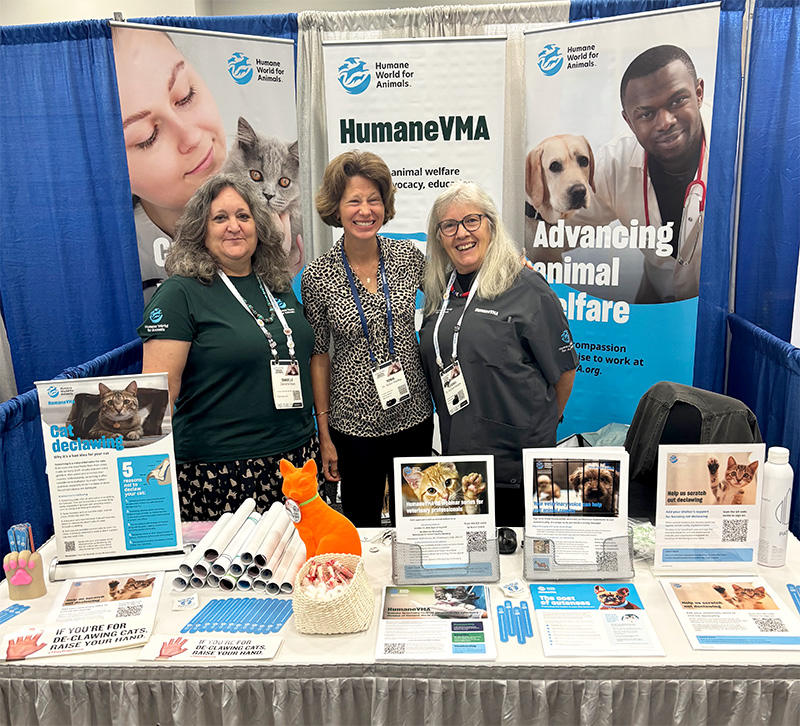
In the coming year, Humane World, HumaneVMA and The Paw Project will be fighting to pass anti-declaw bills that were introduced in Pennsylvania (H.B. 1716/S.B. 846), Illinois (S.B. 257) and Washington (H.B. 1904) in 2025. We’ll also be working to advance similar bans in Minnesota, New Jersey, Indiana, and other states, cities and counties across the nation.
Our anti-declaw campaign is supported by a growing cadre of veterinarians, vet techs and students. They’ll be with us in statehouses and local council meetings, letting lawmakers know that cat declawing has no place in veterinary medicine and no place in the way we care for our cats.
Together, we’ll continue to make progress in our efforts to protect cats from an unnecessary and painful procedure, even in the face of opposition from groups that should be supportive of the cause.
It’s no longer enough to simply “strongly discourage” declawing: It’s time to scratch it out.
Learn more: Download a free copy of our recently updated toolkit to end cat declawing, and sign our petition calling on lawmakers to ban declawing.
Be sure to watch the documentary American Cats: The Good, The Bad, and The Cuddly. It’s available on most major streaming platforms, or you may find a Humane World state director or policy volunteer hosting a screening to help raise awareness about a declaw ban bill pending in your state.

Advertisement
