
Blog: How empowering veterinary technicians can increase access to care
With a nationwide shortage of veterinarians, Ohio should enable its veterinary profession to make full use of credentialed technicians’ skills
Published November 19, 2026
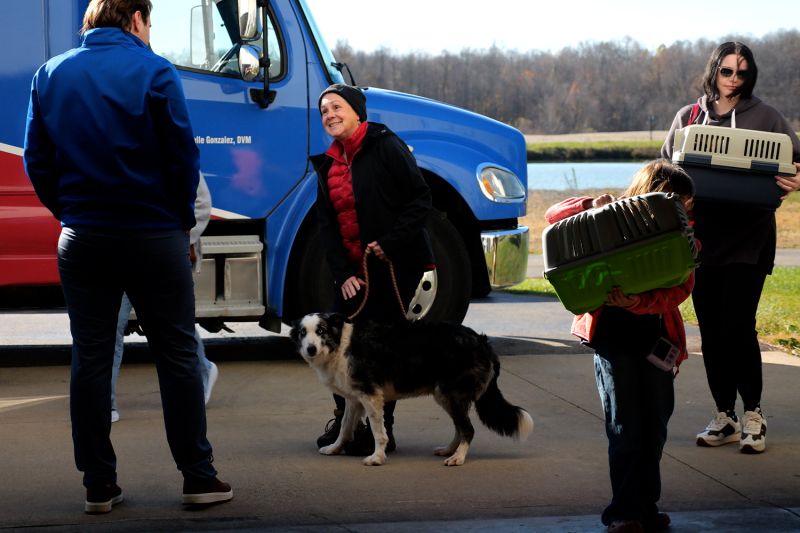
In the closing days of Ohio’s legislative session, state lawmakers are considering whether to make routine veterinary care more accessible for families. H.B. 664 would allow registered veterinary technicians to administer vaccinations and antiparasitic products—such as flea and tick prevention—under the remote supervision of a veterinarian.
The bill is a step in the right direction. As the veterinary workforce shrinks, we must find ways to maximize veterinary team efficiencies. By eliminating red tape and empowering veterinarians to make better use of their highly trained and skilled RVTs, we can enable veterinarians to focus their time on the things that only they can do.
But the bill, as amended, currently falls short in one important way: It is limited to animals in shelters. While this would help shelters meet the needs of the animals in their care, many shelters, rescues and community outreach groups want to do more to help owned pets and keep them with their families.
Humane World for Animals and hundreds of Ohio veterinary professionals are urging lawmakers to change the bill so it would also reach pets whose families are struggling to get them care.
The need is real and urgent. A July 2026 survey conducted by Remington Research Group found that 36% of Ohio pet owners had delayed or gone without veterinary care during the previous year because of cost or difficulty accessing services. The barriers are especially acute in rural and underserved areas, where veterinarians are harder to access and where many pets receive no care at all.
Clinics showcase the need for basic veterinary services
To spotlight the need for increased access to veterinary care, Humane World recently partnered with three Ohio shelters to support community vaccine and wellness clinics.
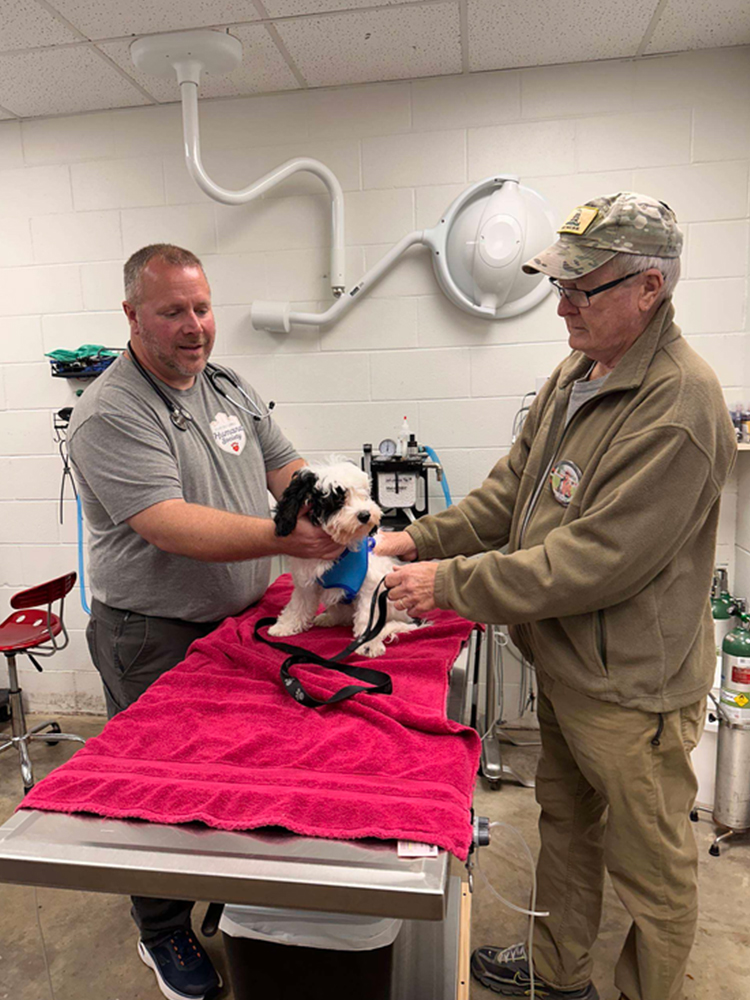
At Fayette Regional Humane Society, people waited patiently in line to get vaccinations for their beloved companions. By the end of the day, more than 125 pets had come through the clinic.
The turnout was a testament to “how many families are looking for affordable, accessible care for their pets right now,” says Dr. Lee Schrader, the shelter’s executive director.
At the same time, the clinics showcased the capabilities of RVTs, who in many ways served as the backbone of each clinic. For example, at Fort Defiance Humane Society’s clinic, an RVT provided wellness exams for nearly two dozen animals.
A veterinarian was on-site at each clinic to supervise the work of the RVTs, since that’s required under Ohio’s current veterinary practice act. But with veterinarian availability already stretched thin, it’s not a small requirement, says Dr. Barbara Hodges, program director of advocacy and outreach for Humane Veterinary Medical Alliance.
For shelters, rescues and other organizations that want to host community vaccine and wellness clinics, hiring a veterinarian can be a herculean task that adds substantially to the cost. In our era of smart phones, having a veterinarian on-site at all times is an unnecessary barrier to expanding access to basic care.
That’s why we’re asking Ohio lawmakers to give veterinarians the option to authorize their RVTs to assess cats and dogs (both within and outside of shelters) and provide basic wellness and preventive services under written protocols and remote supervision.
“Preventive care is one of the most effective ways to protect animal health, but we need more tools to reach the pets who are currently falling through the cracks,” says Dr. A. Michelle González, medical director of Rascal Unit and director of Rascal Charities. “Registered veterinary technicians are educated, credentialed professionals, and giving veterinarians the flexibility to use their skills more fully can expand a team’s reach while maintaining high-quality standards and veterinary oversight.”
Capacity challenges contribute to burnout
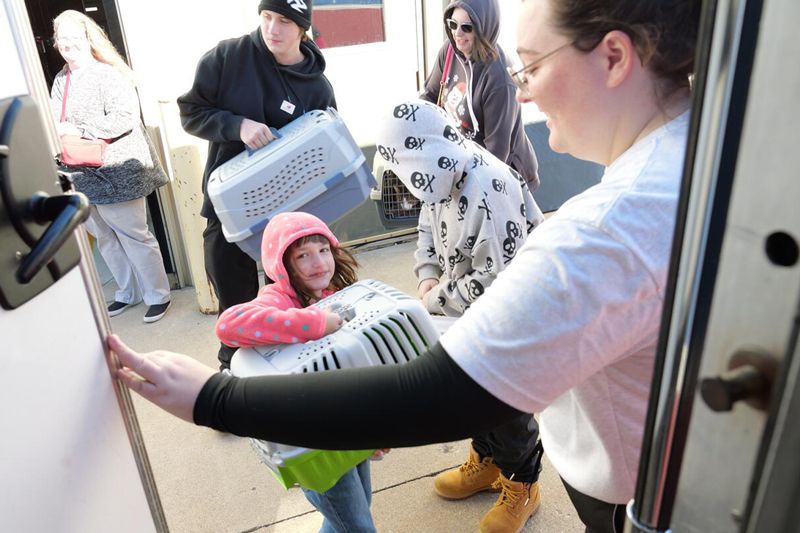
González founded her mobile veterinary practice in Dublin 20 years ago to bring affordable veterinary care to underserved Ohio communities. Today, Rascal Unit provides spay/neuter, vaccinations and wellness services for about 15,000 pets a year. It’s a big number for a small team, but not nearly enough to meet the need.
“Clinic reservations fill up quickly, and we often hear from people complaining about lack of available spots for their pets,” González says.
Dealing with frustrated clients who don’t understand their clinic’s capacity challenges and not being able to keep up with demand can be sources of moral distress and compassion fatigue for veterinarians and their staff, she adds.
Across the country, veterinary professionals report similar struggles as they strive to meet basic pet care needs in the face of overwhelming demand and a dwindling workforce. It’s a monumental challenge, and one that will require both pragmatic solutions and laws that support them.
Take action: If you’re an Ohio resident, please ask your state lawmakers to support H.B. 664 and expand its scope to include routine veterinary services for owned pets. Click here to find your lawmakers’ contact information.

Advertisement
