How to: Run a painted rock fundraiser
A creative “Cats Rock” campaign raises over $5,000 for community cats in rural Missouri and boosts awareness of TNR
When Emmy Jenson needed a fresh idea for a fundraiser, she found it on the ground. Literally.
Jenson is president of Friends of Ferals, a trap-neuter-return organization in Willow Springs, Missouri. Since becoming the first TNR group in the region in 2022, Friends of Ferals has spayed or neutered more than 1,000 cats across a 25-mile rural service area where there are no low-cost clinics, no cat shelters and very few rescues within 100 miles.
Last summer, United Spay Alliance offered the group a $2,000 matching grant with the challenge of running a new fundraiser.
After brainstorming options for a fundraiser that could be managed by a handful of volunteers with a small budget, in a community of fewer than 2,300 people, Jenson and her team planned a campaign they called “Cats Rock—Spay It Forward!”
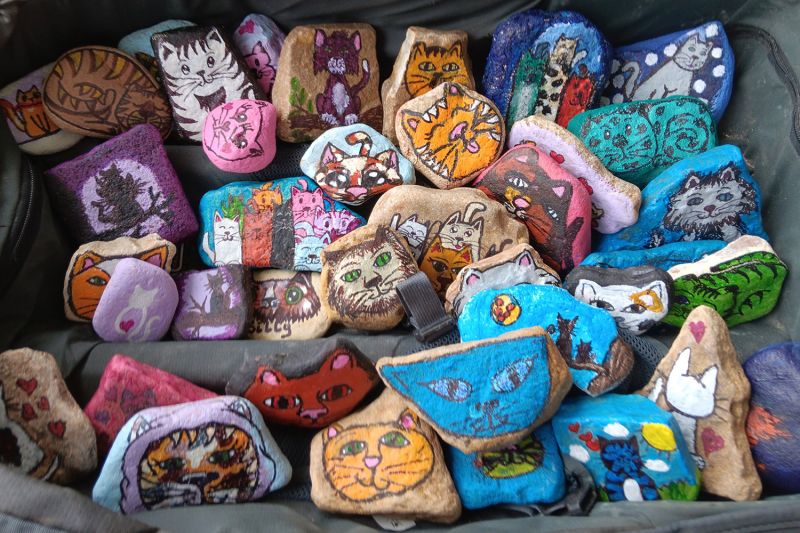
Here’s how it worked: Kids and others in the community painted cat-themed rocks, which local businesses sponsored for $15 each. The organization then hid the rocks all over town and posted clues on social media.
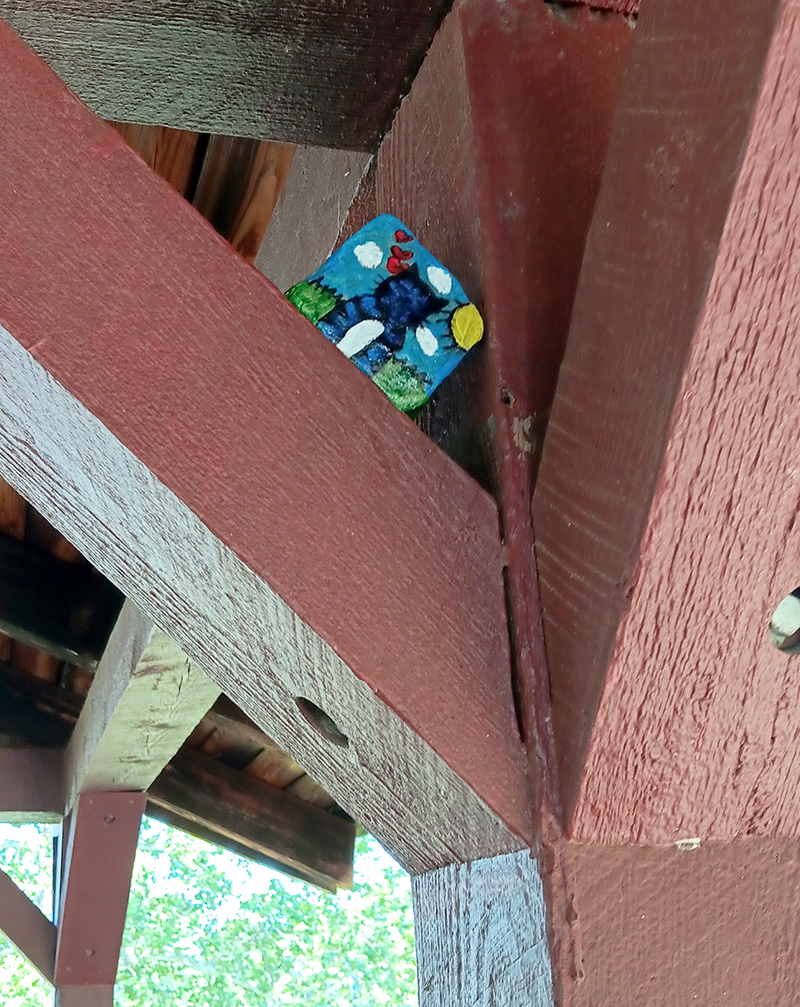
When someone found a rock, they snapped a photo, shared it online with the campaign hashtag and earned an entry into a raffle. Finders could keep the rock or re-hide it. (Jenson was pleasantly surprised when all finders chose to keep their rock.)
The result? Seventeen businesses and two individuals sponsored 56 creatively painted rocks. The campaign raised $3,300, which unlocked the $2,000 matching grant for a total impact of $5,300, and spread priceless awareness about Friends of Ferals’ work for Willow Springs’ community cats.
“We wanted to really hit more than just fundraising,” says Jenson, who cleverly incorporated facts about TNR into scavenger hunt clues and promotional materials. “We want community engagement and education to be an important piece.”
A growing social media following and new community partnerships from the first rock-painting fundraiser are already shaping plans for this year’s extended summerlong campaign, for which Jenson is aiming for more than 150 sponsored rocks.
Here’s how to run your own painted-rock campaign:
Step 1: Collect rocks
Gather rocks from your property, reach out to landscaping companies or buy what you need. Smooth rocks such as river rocks work best, but embrace those with funky shapes, too.
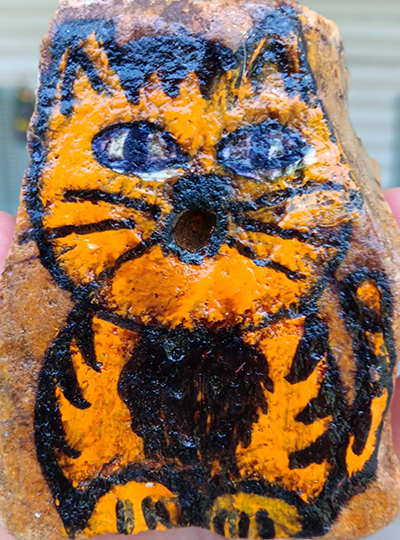
“There was one rock that had a perfect hole in the middle of it, and the kids painted the cat’s face like the hole was an open mouth,” Jenson says. “It was so creative!”
Pro tip: Enlist volunteers early and be specific about their roles. Jenson tapped four volunteers to gather rocks, three volunteers to organize painting events and six to reach out to potential sponsors, allowing her to continue focusing on the organization’s day-to-day operations.
Step 2: Find your artists
Friends of Ferals enlisted about 45 artists from the Boys & Girls Club, Willow Springs Summer School, a Girl Scout group and customers at the local farmers market. Consider also asking schools or art classes to help. (Bonus: They often already have acrylic paint, brushes and other supplies, helping to control your costs.)
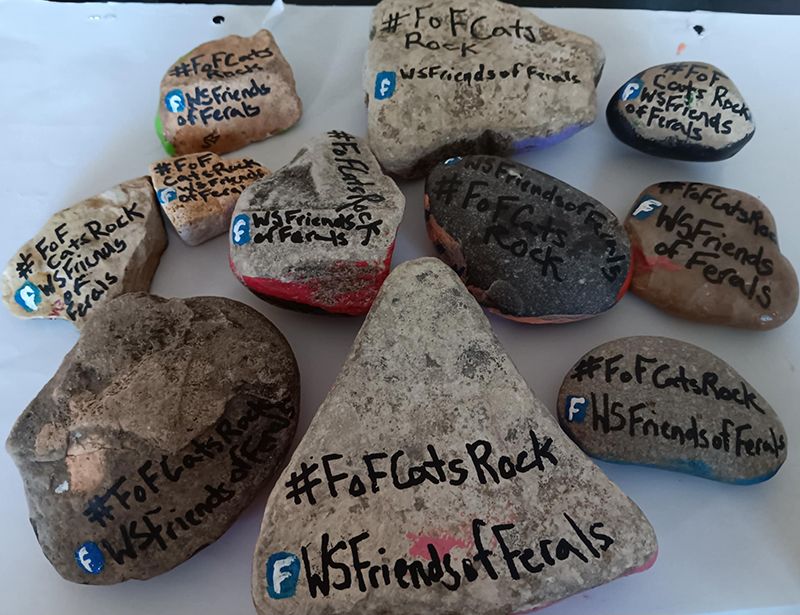
Remember to wash and dry your rocks. Once the paint dries, use a clear outdoor sealant to protect your rocks from the elements. Mark the back of each rock with key promotional details such as your organization’s name, website, social handle and a number for tracking.
Pro tip: Give the campaign some visual cohesion by asking artists to paint adoptable animals or another theme that reflects your mission.
Step 3: Recruit business sponsors
Reach out to local businesses and invite them to sponsor a rock for a set amount. Friends of Ferals charged $15 per rock, with sponsors receiving social media shout-outs.
If you plan a raffle, ask if businesses will contribute a prize. Pizza Americana in Willow Springs sponsored five rocks and donated gift cards for the raffle. The Howell County News sponsored five rocks and contributed a newspaper subscription as a prize.
Jay Dancer’s business, American Advertising Associates, is several miles outside town, but he was eager to get involved. Dancer, his wife and kids paint rocks for their garden, and his family has two cats of their own. He was especially drawn to how the Cats Rock campaign rallied the town around helping community cats.
“Any of these programs that can help bring a community together and give them a common [cause], something to look forward to together, I’m all for it,” he says.
Pro tip: When approaching larger or corporate-owned businesses, bring a one-pager that explains the campaign and your work. Employees often need something tangible to take back to decision-makers.
Step 4: Hide the rocks
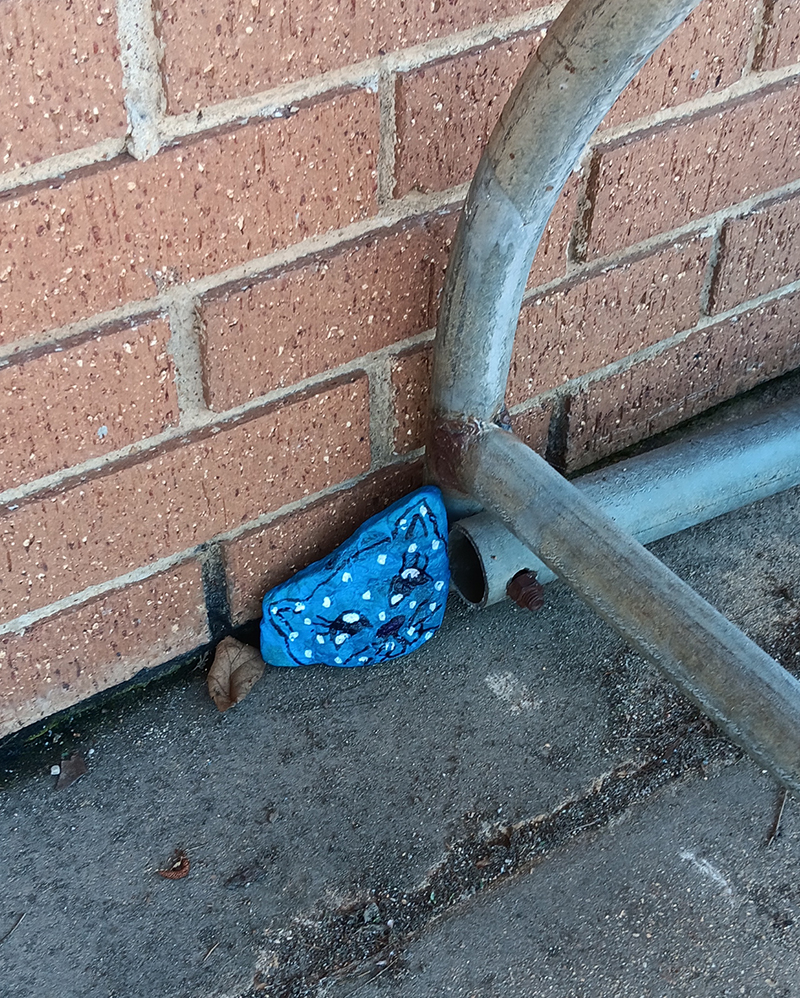
Friends of Ferals found unique (and safe!) locations that were tied to sponsors or the group’s mission. For example, Waggoner Home Center’s rocks were hidden in the store near the supplies Friends of Ferals uses for TNR.
Some sponsors chose their own hiding spots, while others left it to the Friends of Ferals team. Either approach works, just be sure to remind everyone to avoid mowing zones and anywhere rocks might become a tripping hazard. Great spots include the base of lampposts, the legs of public benches or picnic tables, storefront windows, space beside playground equipment or mailboxes, etc.
Pro tip: Give your brain a break and keep a list of each rock’s hiding place.
Step 5: Drive engagement
Write playful, themed clues to create excitement for the scavenger hunt and sneak in a bit of education. Invite finders to share photos, tag your organization, and either keep their rock or re-hide it to keep the hunt going. In Friends of Ferals’ hunt, every found rock shared equaled an entry into a raffle.
Jenson suggests celebrating milestones on social media to keep up the momentum, such as “100 rocks sponsored = 100 cats helped!” or “Only 10 rocks left to find!”
If you have a campaign hashtag, use it consistently and encourage participants to do the same. Friends of Ferals used #FoFCatsRock.
Pro tip: Look for ways to make it educational. For Jenson, rock painting events and sponsor outreach became natural opportunities to talk about TNR and what a left ear-tip means. “It gets kids looking and going, ‘Oh, that’s a spayed/neutered cat. She has a community caregiver,’” Jenson says. “It brings education to the kids and the community.”

Advertisement