How animal shelters can better serve Spanish-speaking communities
From translating materials to community outreach, get tips for making your pet care resources more accessible to Spanish speakers
Published November 12, 2026
As a U.S.-born child of Spanish-speaking immigrants, I’ve been translating for my family since I learned to speak English.
I understood from a young age that without the ease of communication in their own language, people lose the ability to advocate for themselves and their loved ones. It leaves them feeling powerless and scared, especially in medical settings—whether it’s a doctor’s office or a veterinary clinic.
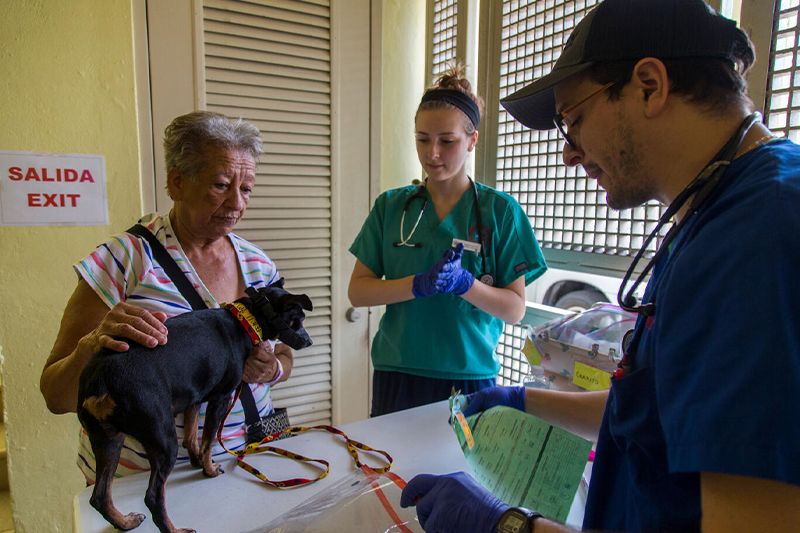
I was reminded of this reality as an adult when I started working as a veterinary assistant at my local animal shelter’s wellness clinic. There, I translated post-operative care instructions, surgery consent forms, and information for pet owners fleeing domestic violence or at risk of being detained or deported.
It was gratifying to provide such important resources to the Spanish speakers in our community, in a way they could read and understand.
In recent years, I’ve seen more shelters and rescues working to make their own pet care resources accessible to the non-English speakers in their communities. And since Spanish is the second most common language in the United States, it makes sense that many organizations start there.
But there’s a lot to consider when translating materials from English to Spanish. The Spanish language is nuanced and diverse across the more than 20 countries where it’s spoken. And when writing in Spanish, accent marks can completely alter the meaning of a word. It’s easy to make mistakes and produce translations that are confusing rather than helpful.
If you’re looking to make your resources more accessible for a Spanish-speaking audience, here are some tips to help guide you through the process.
How animal shelters can translate written materials into Spanish
Begin by researching your community’s Spanish-speaking demographics. What countries and cultures do they represent? It’s important that your message is understood by most Spanish speakers in your community and that you avoid terms or slang specific to one country.
“Aim for clear, neutral Spanish, keeping in mind that language varies across countries and communities,” says Diana Rodriguez, Humane World for Animals’ senior program manager for companion animals and engagement for Latin America.
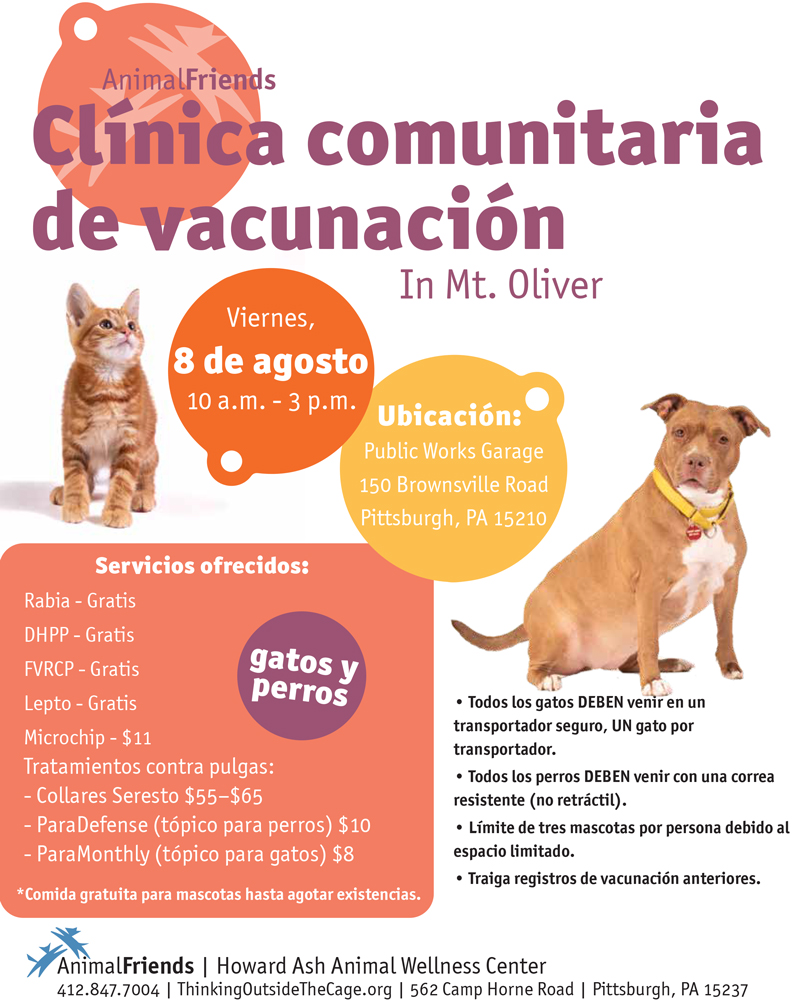
Online translation services, such as Google Translate, have been around for decades, and today they’re joined with the tools of artificial intelligence. But there are other, more reliable ways to get your materials translated:
- Promote it as a flexible volunteer opportunity that bilingual community members and animal advocates can do from anywhere. (Ideally, you want volunteers who are fluent in both English and Spanish.)
- Partner with high school or college Spanish classes on translation projects, always with instructor review and approval.
- Enlist the help of other groups serving your community, such as legal aid societies, food banks, social services or immigrant advocacy organizations. Many people outside the animal welfare field recognize that human and pet issues are interconnected and may be eager to assist with translations.
What about using AI for Spanish translations?
With so many shelters facing immense staffing and resource challenges, it’s easy to understand the appeal of labor-saving generative AI tools for tasks such as translations. At the same time, AI invokes a lot of discussion in animal protection circles, including the impacts on people, animals and the environment.
For those of you already using AI for translations, you can reduce your environmental footprint by first writing a carefully thought-out prompt. This will reduce the need for multiple prompts and also yield better results.
“The precision and the clarity in the prompt make all the difference in the quality of the answer,” says Rodriguez, who manages Humane World for Animals’ vet training program and communicates in English and Spanish with veterinary professionals all over the world. “In writing your prompt, you need to be very precise about what you’re looking for, and the key is to give the AI tool enough details to give you a useful answer.”
Following is an example of a prompt that can help you get the best result:
Translate the following content into clear, natural and audience-appropriate Spanish for a broad U.S. Hispanic and Latin American audience. Prioritize readability, cultural relevance and comprehension over literal translation. If an English expression, idiom or cultural reference would not be understood naturally in Spanish, adapt it to an equivalent expression that conveys the same meaning and intent. The final translation should read as if it were originally written in Spanish, not translated from English.
The importance of review
Whenever possible, you should have your translated materials reviewed by someone who understands how your intended audience actually speaks and refers to pet care, says Rodriguez. “Before publishing, ask someone from the intended audience to review the material for comprehension, not just grammatical accuracy.”
Review is especially critical if you’re using AI, because AI tools often translate too literally, producing text that makes little sense to the average Spanish speaker in the U.S.
How bilingual staff and interpreters can facilitate oral communications
Translating your shelter’s written materials is an important step toward improving language accessibility. But the best thing you can do for your non-English-speaking community members and their pets is to hire bilingual staff who represent the community you’re in—and can help you reach and serve them effectively.
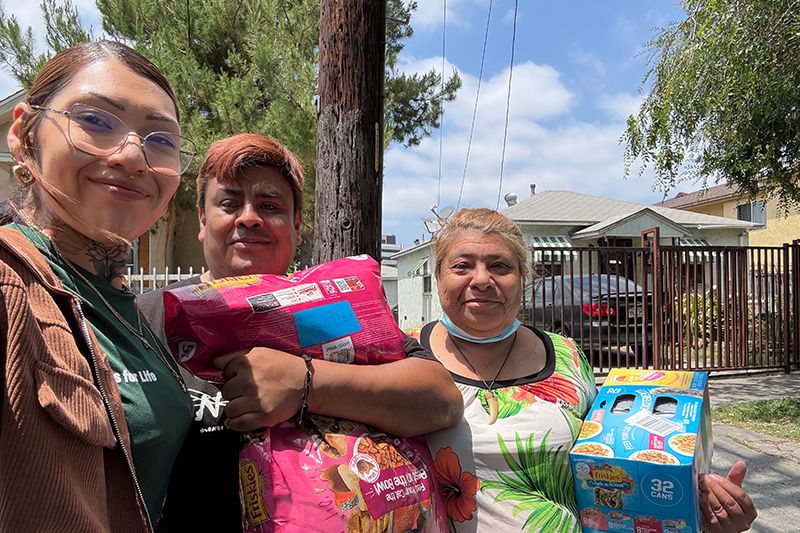
In East Los Angeles, Humane World for Animals’ Pets for Life program relies on bilingual staff members to bring pet care resources to underserved neighborhoods where Spanish is often people’s first language.
“Communicating in Spanish is key to achieving our mission because it removes barriers to accessing care and allows us to be direct with the services we provide,” says PFL direct care program assistant Vannessa Ramirez. “Communicating fluently ensures pet owners fully understand the surgery protocols and signs of complications, turning a single spay/neuter appointment into an ongoing trusted partnership that ultimately benefits pets and their people.”
If you’re not yet able to hire bilingual staff, consider supporting current staff interested in taking classes in Spanish, or whatever other language will best serve your community. For medical or adoption events, consider hiring interpreters.
At the end of the day, removing language barriers is “about more than translation—it’s about making sure people feel seen, respected and supported when they reach out for help,” says Penny Paich-Caraway, community programs manager at Animals Friends, a nonprofit shelter and veterinary clinic in Pittsburgh. “When shelters invest in language accessibility, they strengthen their connection to the communities they serve and create more opportunities to keep pets and the people who love them together.”

Advertisement