

Blog: Disasters can strike anywhere: Is your shelter prepared?
Partnerships, planning and community support can help your organization weather any storm
August 27, 2026
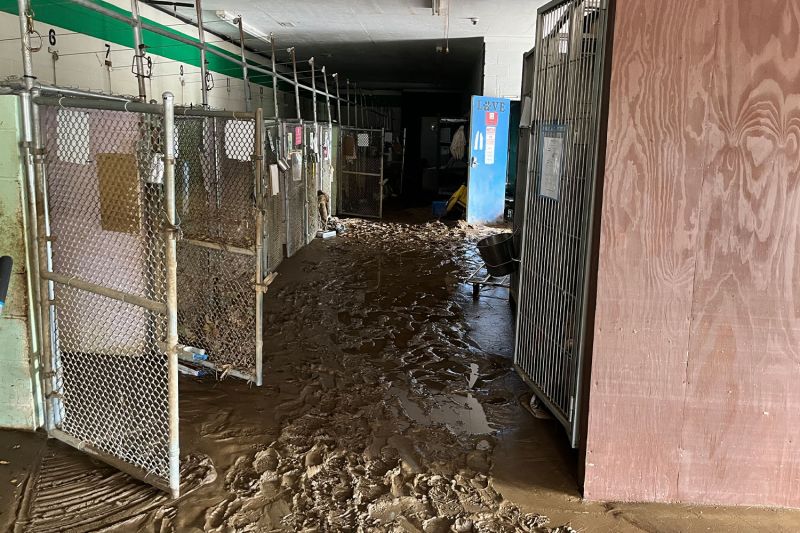
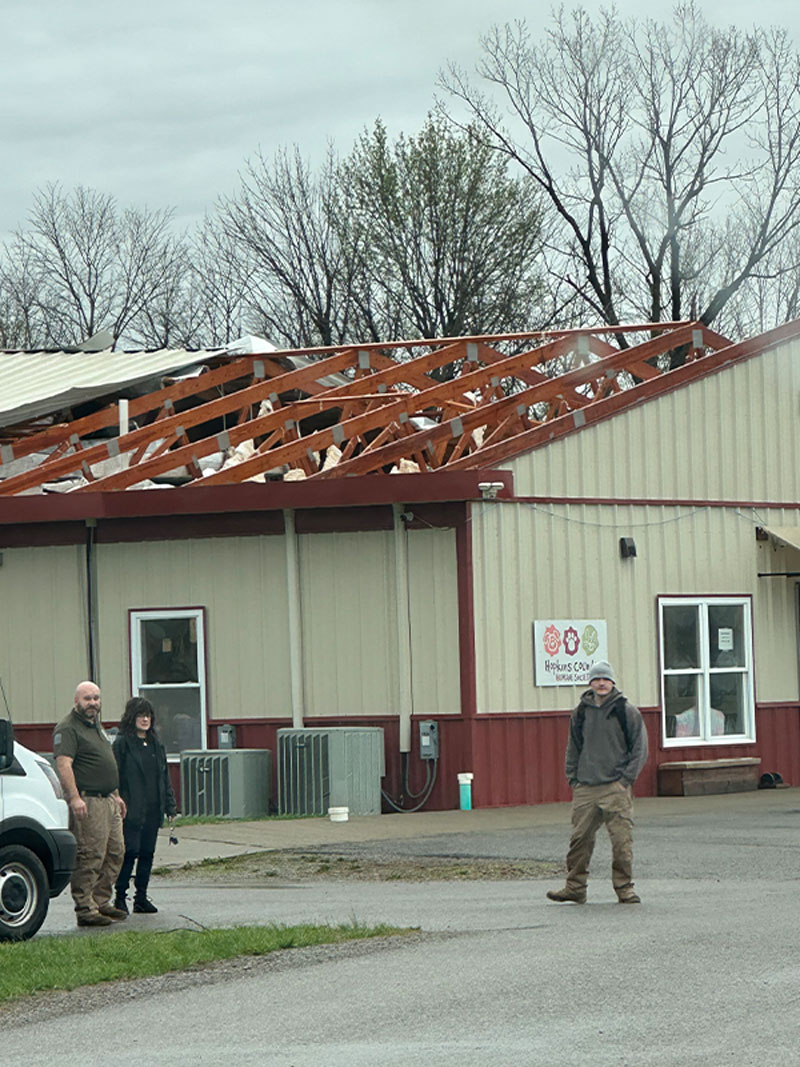
On April 2, 2025, a tornado tore through Hopkins County, Kentucky, marking the third time in five years that the county experienced a severe weather event.
This time, as the twister made its way through the community, it ripped off the metal roof at the Hopkins County Humane Society. Torrential rain poured into the newly exposed building, with 85 cats and 95 dogs still inside.
Thankfully, none of the shelter animals were injured—but the facility was later demolished due to the extensive water damage and resulting mold. Suddenly, HCHS found itself without a place to care for the community’s animals.
Still, things could have been much worse.
In a state that has been hit by nearly 60 tornadoes in less than two years, HCHS has made disaster planning a priority.
“That preparation—combined with an outpouring of support from the community, local partners and national animal welfare organizations, including Humane World for Animals—made all the difference,” says HCHS executive director Dustin Potenza. “Together, we safely relocated every animal into temporary shelter, kept lifesaving services operating, and laid the foundation for a new, more resilient facility.”
Disaster planning essentials
Disasters come in many forms, and you don’t need to be in a tornado-prone region to be at risk.
In recent years, Humane World for Animals has responded to hurricanes in the United States, Mexico and Jamaica; typhoons in Alaska and Saipan; earthquakes in Venezuela; wildfires in Hawaii and Nevada; floods in India … and the list goes on.
Animal shelters can be particularly vulnerable to the impacts of storms and subsequent flooding because they’re often located in low-lying areas—a reality driven by the availability of low-cost commercial, industrial or municipal properties.
As severe weather events become more frequent and more intense, it’s crucial for shelters and communities everywhere to plan for the unexpected. As Potenza says, “the best time for a shelter or rescue to be prepared for a disaster is before it strikes.”
Disaster preparedness has many facets, but here are three key components:
- Strong partnerships: Often established through a memorandum of understanding or mutual aid agreement, partnerships can help fill gaps by bringing in external resources and expertise at no additional cost to the agency.
- Contingency planning: Contingency plans identify risks and outline the key roles, tasks and procedures needed in an emergency, which is an important part of protecting staff, animals and property against potential harm from disasters.
- Community support: In times of crisis, strong community support can result in a wealth of resources, including donations, emergency fosters and other volunteers, and access to informal and formal communication networks.
A partner in disaster response
Whenever disasters strike across the globe, our Animal Rescue Team works with local shelters and other partners to determine how we can best support them and their community. Our response takes different shapes depending on the type of the disaster, regional resources and specific needs.
Sometimes, we’re requested to send people to assist with animal care, including veterinary services and field rescue. We regularly transport animals who are already available for adoption out of shelters in impacted areas to rescue groups and shelters away from the disaster zone. Frequently, we send much-needed supplies, including vaccines and preventative medications, as disease can spread rapidly in a disaster situation.
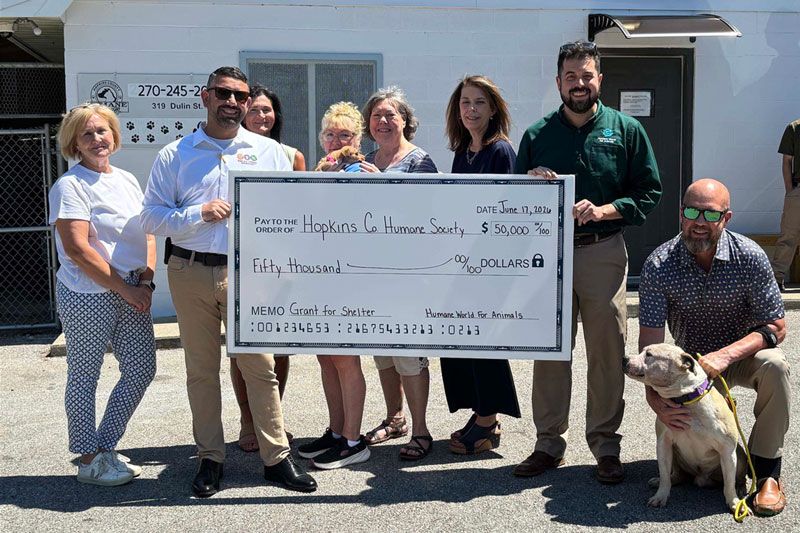
In Hopkins County, our response centered around disaster recovery and increasing resiliency against future events. We granted HCHS $50,000 to help renovate a previous facility (built in the 1960s) that will house animals until a new shelter is built. The renovated facility will then serve as an emergency holding center in the event of future disasters.
Potenza notes that while his team and his community have become accustomed to preparing for disasters, it’s never too early for other communities to start. “What began as a disaster here became a testament to the power of preparation and collaboration, proving that when a community comes together, even the greatest challenges can create opportunities for a stronger future.”
Disaster planning resources
If disaster planning is one of those things that has lingered on the backburner at your organization, get started by checking out our disaster preparedness and response resources for animal welfare organizations, including downloadable checklists for contingency planning and emergency sheltering, advice for crafting agreements with partnering organizations, safety protocols and more.
It’s also helpful to learn about your local emergency operations plan and how the animal response component is organized by your jurisdiction. Emergency managers will often invite community partners to disaster trainings and exercises, which informs the overall planning process, so we recommend reaching out to your local office of emergency management for introductions.
Public education is another vital part of disaster planning. Encourage pet owners and other animal caretakers in your community to prepare for disasters by sharing these resources:
- Pet emergency plan and disaster preparedness
- Community cat emergency and disaster preparedness
- Equine disaster preparedness
- Farm animal disaster preparedness plan
- Wildlife disaster preparedness
We can’t control when and where disasters will strike, but by preparing before an emergency happens, we can help minimize the impact on people and animals in our communities.

Advertisement
